Public EV Charging vs. Fleet EV Charging in India: Why the Business is Different
To the untrained eye, every EV charging station looks the same. A box, a cable, a screen, a plug.
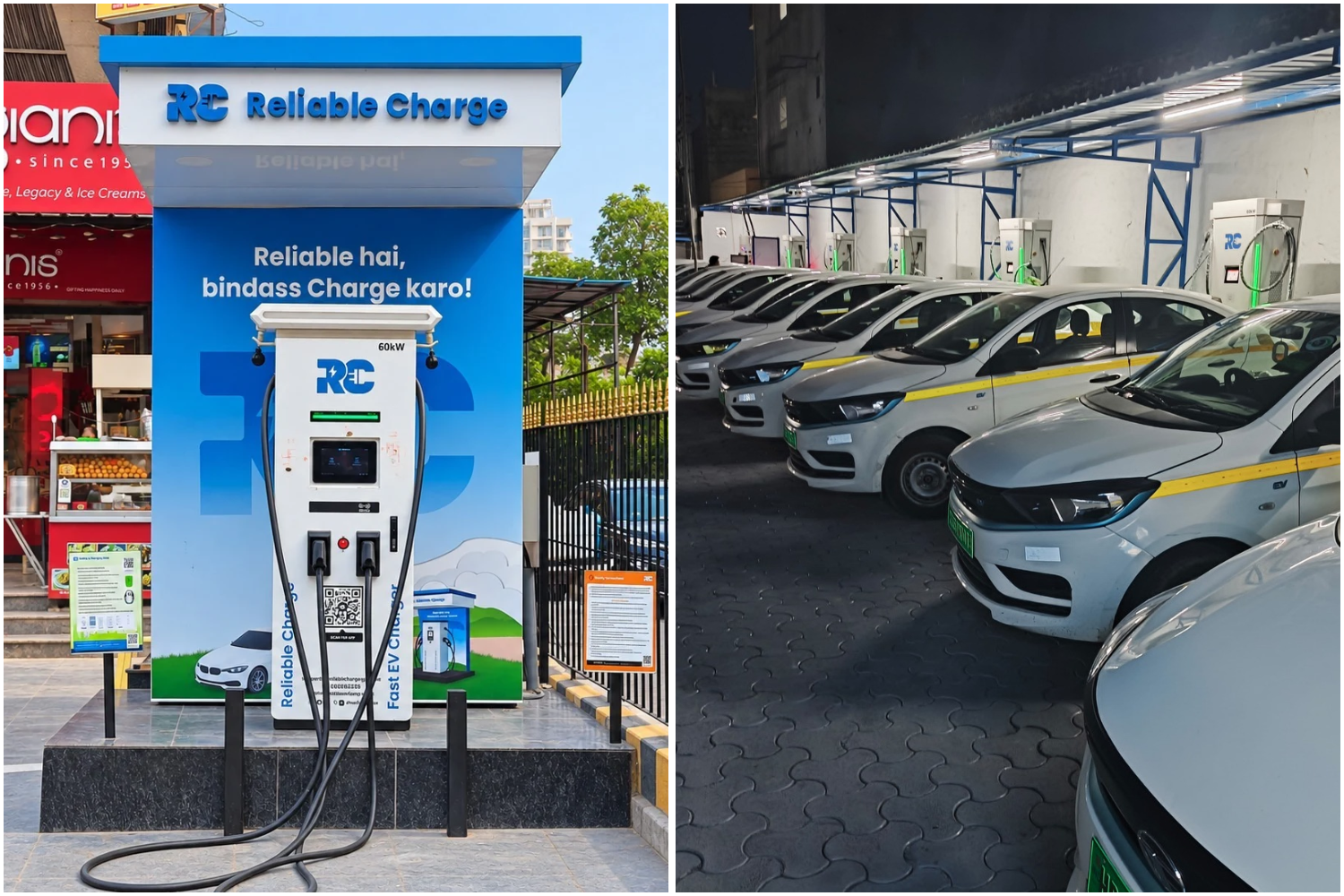
Same EV Charger. Same Cable. Completely Different Business.
But install one EV charger in a busy mall parking lot and another in a logistics depot, and you are running two very different EV charging businesses.
One serves strangers. The other serves a schedule. One earns per charging session. The other keeps an entire fleet on the road.
As EV adoption in India accelerates across electric cars, e-rickshaws, electric cabs, delivery two-wheelers, and electric buses, understanding public vs. fleet EV charging is no longer optional. It decides where you invest, how your EV charging revenue model works, and whether your EV charging infrastructure in India actually delivers returns.
What is Public EV Charging? A Location-Led EV Charging Business
Public EV charging stations are open to any electric vehicle driver. They sit at malls, hotels, highways, restaurants, hospitals, office complexes, parking lots, and petrol pumps.
The customer is unpredictable. They arrive when they want, charge as long as they need, and leave the moment they are done.
That makes public EV charging a location and customer-experience business:
- Pay-per-use EV charging revenue. Drivers pay per kWh or per minute, usually through an EV charging app.
- Utilisation grows over time. Charger usage rises as EV adoption in India grows, and drivers discover the station.
- Location decides success. Visibility, footfall, dwell time, and easy access determine how often an EV charging point is used.
- Reliability builds loyalty. A public EV charger that works every time earns repeat users. One that fails once may never get a second chance.
For host businesses, commercial EV charging station installation brings more than charging revenue. It adds footfall, longer customer dwell time, and a stronger brand image as an EV-ready destination.
What is Fleet EV Charging? An Uptime-Led EV Charging Business
Fleet EV charging serves electric vehicles owned or run by one operator: delivery fleets, ride-hailing and electric cab fleets, e-buses, last-mile logistics, corporate shuttles and EV rental companies.
Here, the customer is known. So are the vehicles, routes and shift timings.
That makes electric fleet charging in India an uptime and efficiency business:
- Predictable charging demand. Depot charging is planned around shifts, so charger utilisation is high and steady from day one.
- Downtime has a direct cost. An uncharged EV is a vehicle that is not earning. One faulty charger can mean missed deliveries and idle drivers.
- Energy cost drives profitability. Smart charging, load management and off-peak scheduling lower the fleet’s cost per kilometre.
- Data matters as much as power. Fleet managers need charging data on every vehicle, every session, and every rupee spent on electricity.
For fleet operators, fleet EV charging solutions are not an amenity. They are part of the engine that runs the business.
Public vs Fleet EV Charging: Key Differences at a Glance
1. Who charges
Public EV charging serves any EV driver who drives in. Fleet EV charging serves a known set of vehicles from one operator.
2. Charging demand and utilisation
Public charger utilisation builds gradually as local EV adoption grows. Fleet charging demand is predictable and planned around shifts, so utilisation is high from day one.
3. EV charging revenue model
Public charging earns on a pay-per-use basis, per kWh or per minute. Fleet charging runs on contracted charging, charging-as-a-service or captive use.
4. What success looks like
For public EV charging stations, success means footfall, repeat users and growing sessions. For fleet EV charging, success means every vehicle is charged on time at the lowest cost per kilometre.
5. The biggest risk
Public charging risks low usage at the wrong location. Fleet charging risks charger downtime that stalls daily operations.
6. Location priority
Public EV chargers need visibility and convenience. Fleet EV chargers belong at depots, hubs, and close to routes.
7. Charging software and charger mix
Public charging needs app discovery, easy payments and a smooth user experience, with fast DC chargers for top-ups and AC chargers for long stays. Fleet charging needs scheduling, load management and fleet reporting, with chargers matched to vehicle type, battery size and shift gaps.
The EV charging hardware may overlap. The EV charging business model does not.
Why Choosing the Wrong EV Charging Model Costs Money
Many EV charging investments in India underperform for one simple reason: the right EV charger was built for the wrong business.
- A public EV charging station planned like a fleet depot ends up hidden, hard to find, and underused.
- A fleet charging depot planned like a public station ends up with the wrong charger mix, no smart scheduling, and high peak-hour electricity bills.
- A fleet that treats charger uptime casually learns quickly that every idle vehicle is lost revenue.
- A charge point operator that ignores user experience watches EV drivers move to the next charging network.
The lesson is clear. Choose your EV charging business model first, then design the charging infrastructure.
Reliable Charge: EV Charging Solutions for Public and Fleet Charging
At Reliable Charge, we design EV charging solutions around how you actually make money, not just where an EV charger fits.
Public EV charging station installation for businesses:
- Site assessment for high-traffic commercial locations with strong EV demand
- High-uptime public EV charging stations that work every time
- A seamless, user-first EV charging and payment experience
- Flexible EV charging station installation, partnership, and revenue-sharing models
Fleet EV charging solutions for operators:
- Depot and hub charging planned around your shifts and routes
- The right mix of AC and DC fast chargers for your vehicles and duty cycles
- Smart charging and load management to control electricity costs
- Remote monitoring and maintenance support that keep your fleet moving
Different businesses. One commitment: reliable EV charging infrastructure in India that performs.
Final Thought: Know your EV Charging Business before you Plug In
Public EV charging wins on location and experience. Fleet EV charging wins on uptime and efficiency.
Both are essential to the future of electric mobility in India. Both need reliable, well-planned EV charging infrastructure.
The question is not just “Should we install EV chargers?”
It is “Which EV charging business are we building?”
Get that answer right, and every EV charger you install becomes an asset, not just equipment.
Planning a public EV charging station or electrifying your fleet? Talk to the Reliable Charge team. Let’s build the right EV charging solution for your business.